

The City That Refuses to Hurry
Some cities try to impress you immediately. Chengdu does not. It reveals itself slowly through mahjong tiles chili oil and long afternoons that seem to move without urgency at all.
Best time to visit
March to June and September to November
Known for
Teahouses Sichuan cuisine giant pandas and slow living
Best experience
A slow afternoon at Heming Teahouse inside Peoples Park
At first glance Chengdu feels softer than many Chinese cities. The pace is slower. The streets quieter. Even the air feels heavier somehow carrying the smell of tea leaves rain soaked pavement and Sichuan pepper that lingers gently in the back of your throat.
People here understand how to sit still.
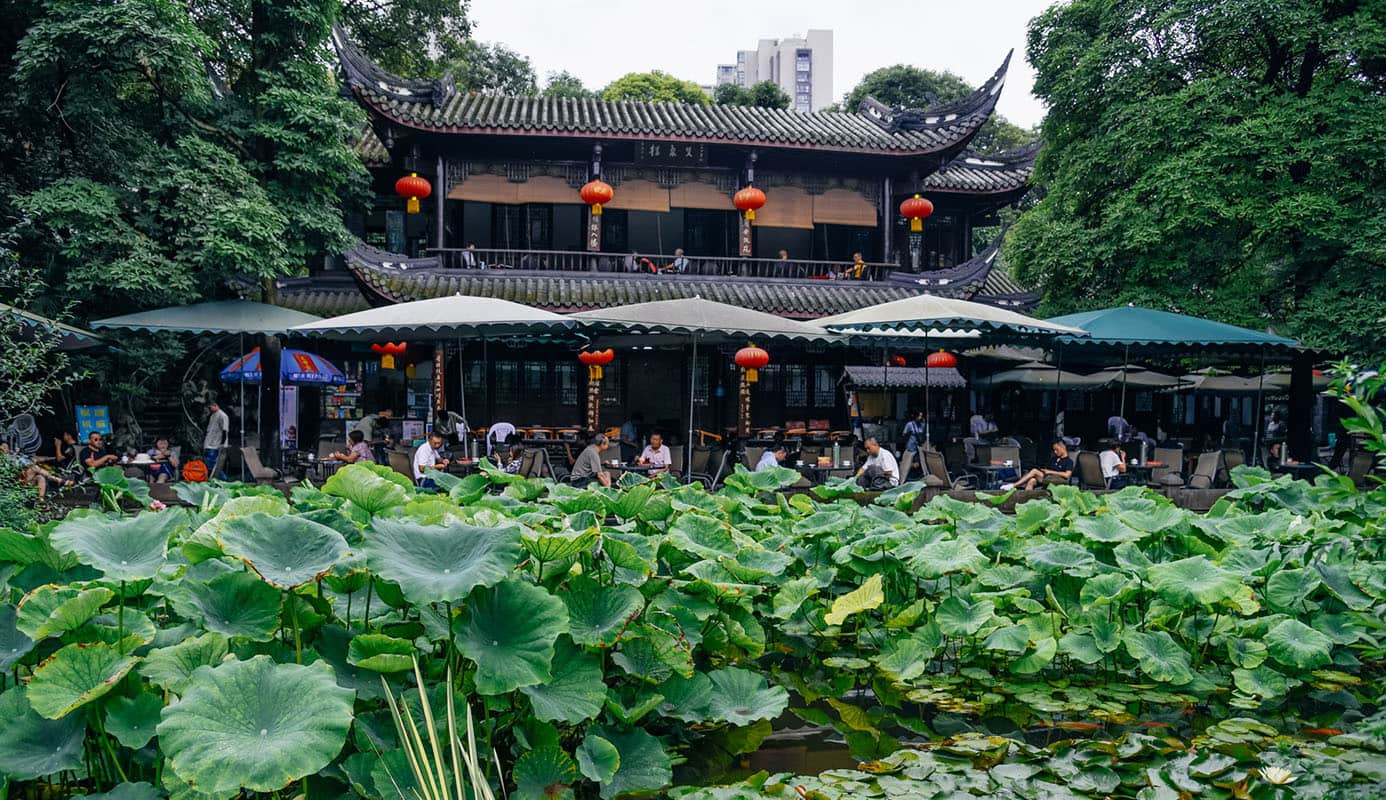
At Heming Teahouse inside Peoples Park locals gather for hours with cloudy glasses of jasmine tea while waiters refill hot water without asking. Nobody seems rushed to leave. Conversations rise and disappear beside the clicking rhythm of mahjong games while outside scooters glide silently through tree lined streets beneath fading afternoon light.
Chengdu is not a city you visit. It is a city you settle into.
The food
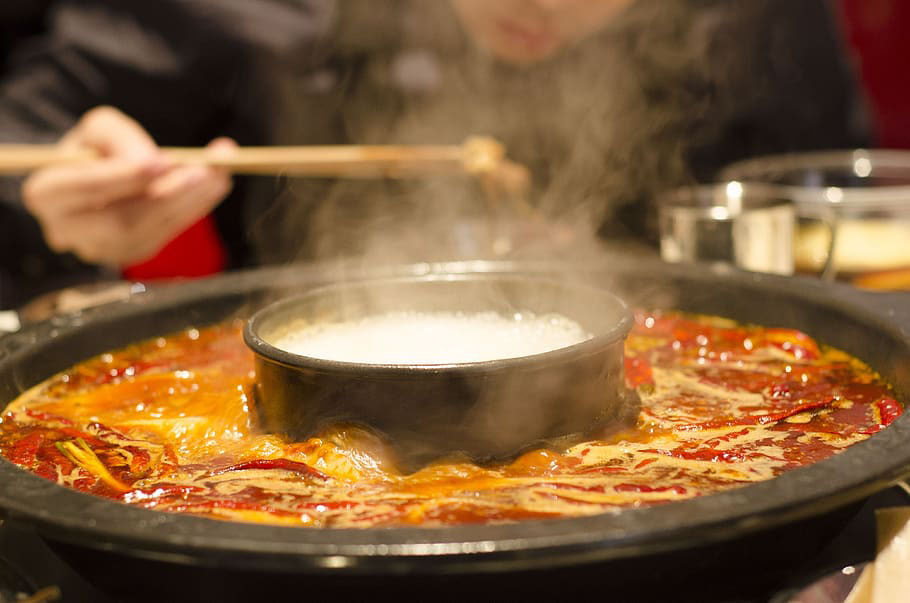
Chengdus cuisine does not arrive quietly. Along Jinli Street and the narrow lanes of Kuanzhai Alley hotpot bubbles loudly in crowded restaurants filled with steam and laughter while red chili and peppercorn coat the air with a sharp fragrance that almost stings your eyes before the first bite even reaches the table.
The heat builds slowly. Lips go numb. Then somehow you want another bite immediately.
Early mornings belong to something gentler. Small noodle shops open before sunrise while cooks quietly fold fresh zhong dumplings beside clouds of steam drifting into the cool air a ritual repeated in the same kitchens and the same alleyways for generations.
Temples pandas and morning silence
Inside Wenshu Monastery one of Chengdus oldest Buddhist temples incense smoke curls softly upward through dark courtyard air while elderly residents move slowly through morning tai chi beneath ancient cypress trees. The city outside feels very far away.
And then there are the pandas.
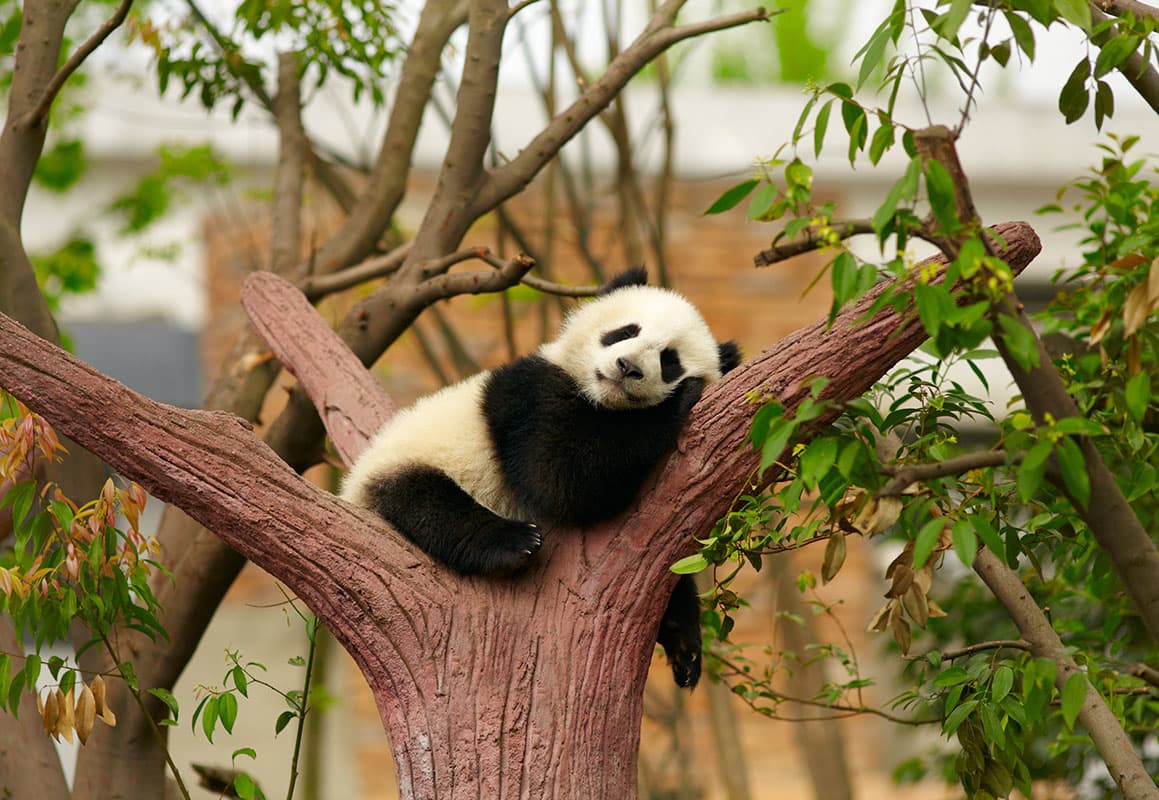
At the Chengdu Research Base of Giant Panda Breeding watching giant pandas eat bamboo in near complete indifference to the crowds around them somehow feels perfectly suited to Chengdu itself. Unhurried. Comfortable. Entirely unconcerned with the speed of the outside world.
Beyond the city
A short journey from Chengdu the landscape opens into something altogether different.
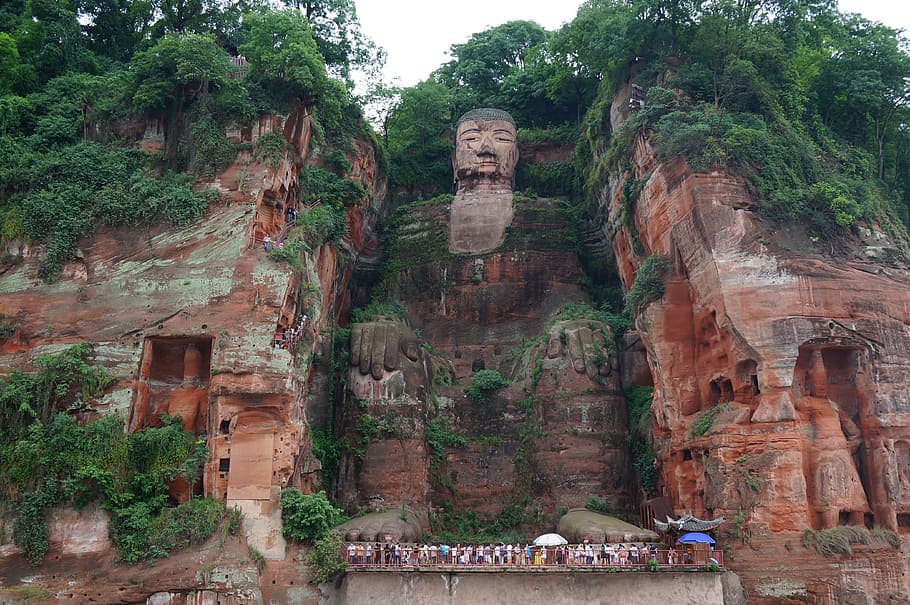
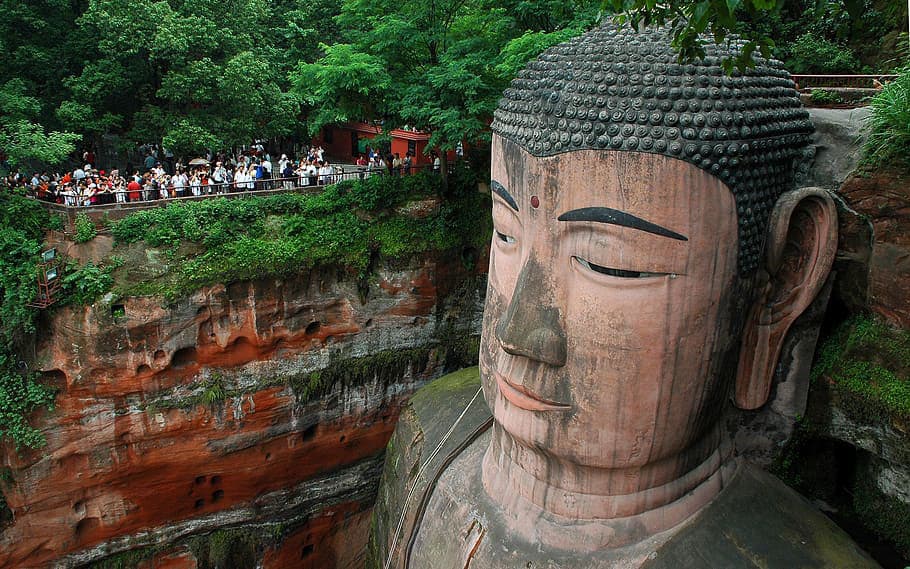
Two hours south the Leshan Giant Buddha carved into a cliff face where three rivers converge stands 71 metres tall and has watched over passing boats in silence since the 8th century. Further south Mount Emei rises above the clouds to 3099 metres its ancient monasteries and forested trails drawing pilgrims and travelers alike for centuries.
Northwest of Chengdu the ancient Dujiangyan Irrigation System still channels water across the Sichuan plains more than two thousand years after it was first built. Even today the rivers canals and fertile countryside around Chengdu quietly reflect how deeply the city has always been connected to water and slow living.
Even the road between destinations feels like part of the experience roadside tea shops terraced hillsides and small towns where time never seems especially urgent.
The further you travel from Chengdus centre the more the citys unhurried spirit seems to follow.
Places to explore
Heming Teahouse
Inside Peoples Park and one of the most atmospheric places in Chengdu to experience traditional teahouse culture. Best visited on a quiet afternoon.
Wenshu Monastery
Chengdus oldest surviving Buddhist temple filled with quiet courtyards incense smoke and a hidden teahouse inside the grounds.
Kuanzhai Alley
A preserved network of Qing dynasty lanes best explored early in the morning before the food stalls and souvenir shops fully wake.
Panda Base
The Chengdu Research Base of Giant Panda Breeding located 10 kilometres north of the city. Arrive before 10am when the pandas are most active.
Leshan Giant Buddha
A two hour drive south of Chengdu. The worlds largest stone Buddha carved into a cliff face where three rivers meet. Best seen from a river boat below.
Mount Emei
One of Chinas four sacred Buddhist mountains. Take the cable car to the Golden Summit for monastery views above the clouds.
Dujiangyan Irrigation System
One of the worlds oldest irrigation systems still in use today. Built more than 2200 years ago it continues to shape the fertile countryside surrounding Chengdu.
Explore Chengdu and Sichuan with Absolute Asia Tours
Chengdu stays with people for unexpected reasons. Sometimes it is the numb heat of Sichuan pepper. Sometimes the quiet patience of a teahouse hidden down an old alley. More often it is simply the feeling of being in a city that still knows how to slow down.
Speak to someone who's been there

Our itineraries will give you suggestions for what is possible when you travel in Chengdu, and they showcase routes we know work particularly well. Treat them as inspiration, because your trip will be created uniquely by one of our specialists.
China ⟩ Guangxi
China ⟩ Gubei Water Town
China ⟩ Shanghai
China ⟩ Zhaoxing
China ⟩ Tiger Leaping Gorge
China ⟩ Zhangjiajie
China ⟩ Yuanyang
China ⟩ Yangshuo
China ⟩ Xian
China ⟩ Xiamen
China ⟩ Xiahe
China ⟩ Suzhou


Our expert guides to exploring Chengdu
Written by our specialists from their own experiences of visiting Chengdu, these guides will help you make the most of your time there. We share both our practical recommendations and the best ways to appreciate Chengdu at its best.